Does a Utility Water Report Tell You If Your Own Tap Is Safe?
A Washington utility water report explains local system quality, but it cannot confirm conditions at your faucet; check plumbing and test for specific concerns.
What comes out of your tap.
City and utility water quality reports, boil-water notices, lead service lines, fluoridation, and what recent state laws changed.
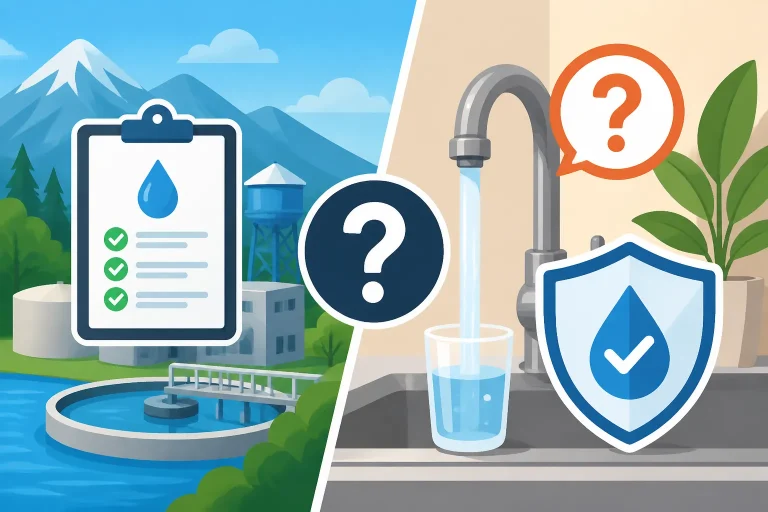
A Washington utility water report explains local system quality, but it cannot confirm conditions at your faucet; check plumbing and test for specific concerns.
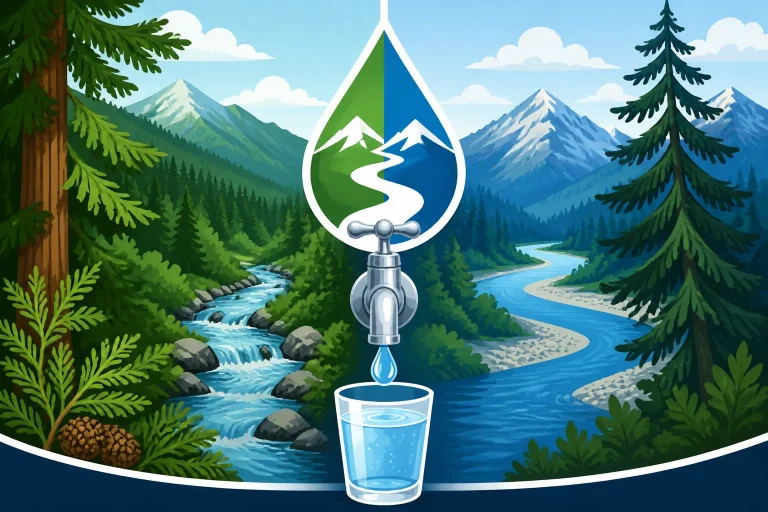
Seattle tap water comes from Cedar and South Fork Tolt watersheds; annual supply shares describe the citywide mix, not a home’s exact source.
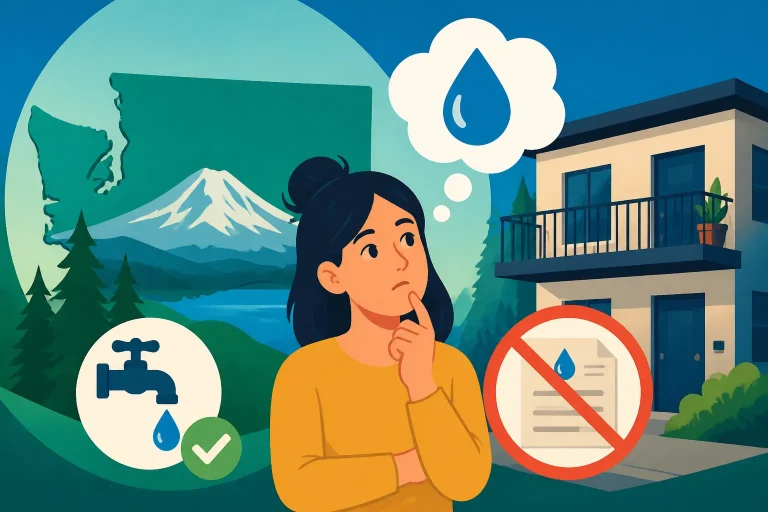
Washington renters can track water advisories without a utility account by checking state alerts, confirming the address, and asking the landlord and provider

Washington big-city tap water often needs no routine filter if its utility report is reassuring, but home plumbing and advisories still matter.
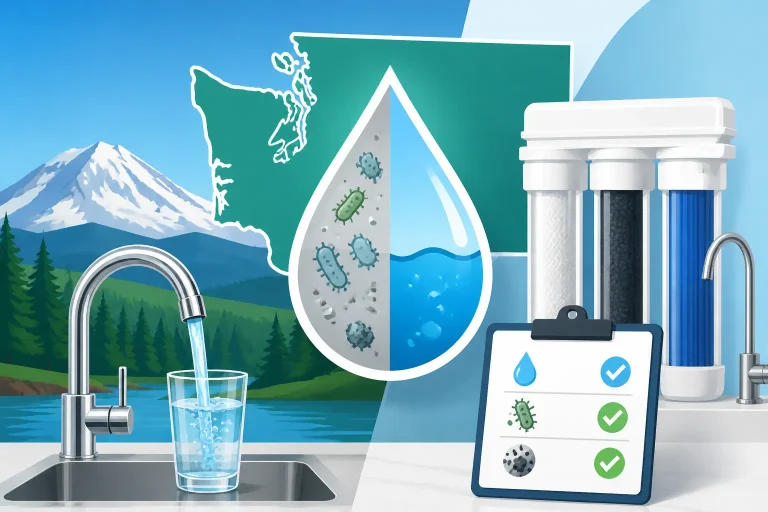
A report-based approach helps Washington households decide whether tap-water filtration is useful and match a filter’s certification to a specific concern.
Who supplies tap water in Washington depends on your address; fluoridation is a local decision, so confirm both with the provider serving your home.
Finding the latest test results for your Washington tap water can be harder than it sounds: the provider may use a different system name, serve only part of a city, or publish reports in a section that is easy to miss. Start by confirming who supplies your address, then use that provider’s official report and…

Where Washington cities get tap water varies by source and service area. Check your provider’s report to identify the source and understand what it means.