Renting in Washington? Advisory News Without a Utility Account
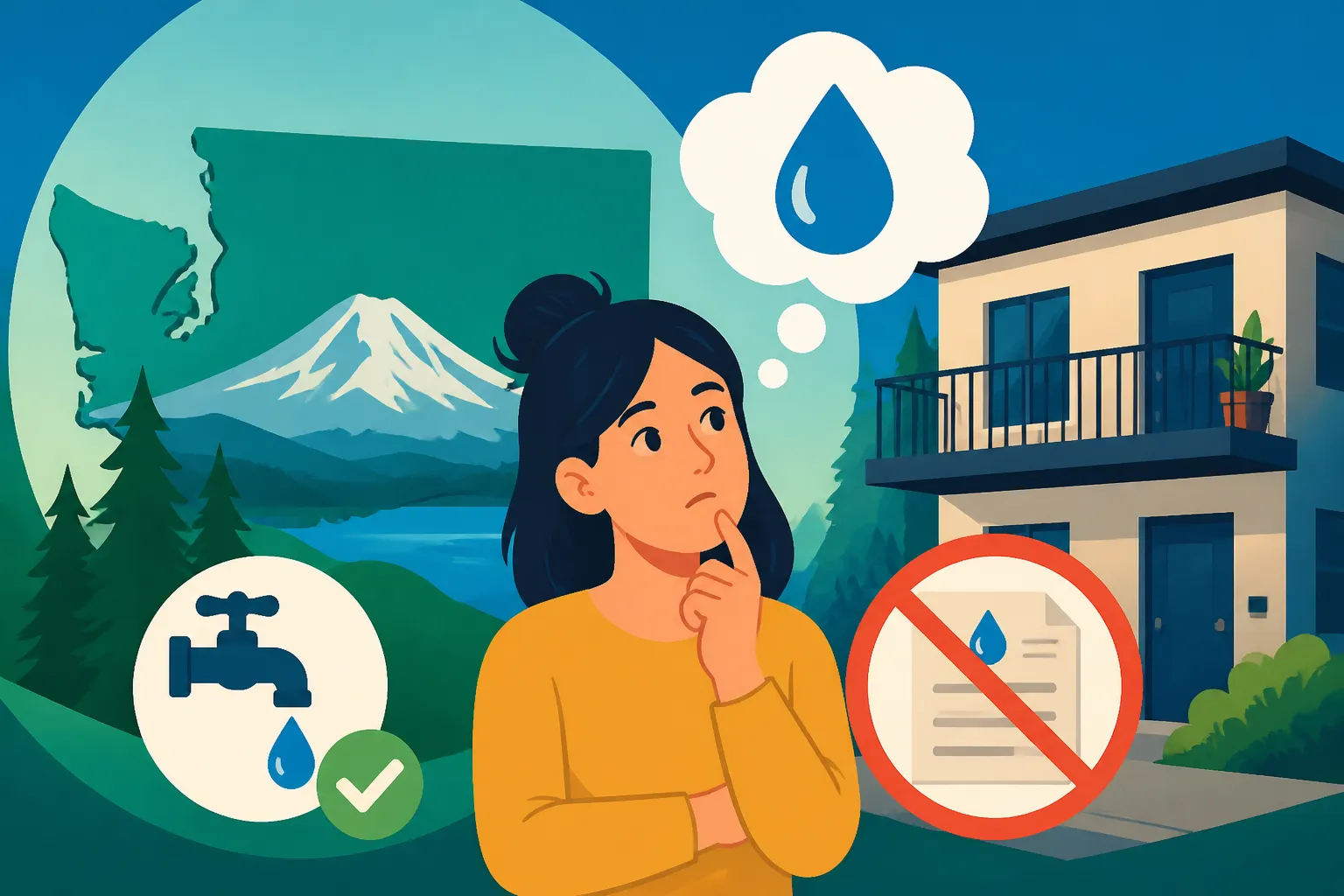
When you rent, the water account may belong to your landlord or building manager, leaving you unsure how to hear about an advisory or whether a notice covers your home. You can still check official alert information and confirm what applies to your address. The key is to identify the water provider, verify the notice’s boundaries and instructions, and set up a reliable way to receive updates.
Why renters can miss water advisory notices
A water advisory is useful only if the people affected know about it and understand what to do. Renters can face an extra communication gap: the utility may have the property owner’s contact details, while tenants may rely on a landlord, building manager, shared noticeboard or informal messages.
That does not mean a renter cannot check an advisory. It means you may need to verify information through more than one channel. A notice posted for one street or part of a system might not cover your building, and a message forwarded by a neighbor may be incomplete or out of date.
Start by separating two questions:
- Is there an active notice for the water system serving my address?
- If so, what does the notice tell people in my specific area to do?
The first question is about finding the provider and checking current alerts. The second is about the notice’s exact location, restrictions and end conditions. Do not assume an alert applies just because it names a nearby city, or that it does not apply because your landlord has not contacted you.
A notice can also have different instructions depending on the problem. A boil-water advisory, a do-not-drink notice and a do-not-use notice are not interchangeable. Follow the wording for your address rather than relying on a general interpretation of the word “advisory.” For a closer look at how the instructions differ, see A Practical Guide to Boil-Water Advisories in Washington and A ‘Do Not Use’ Water Notice: Which Household Uses Are Off Limits?.
Washington State Department of Health says that for acute health risks such as bacterial contamination, water systems must notify customers Within 24 hours. That notification requirement is important, but it does not tell you which contact method your provider uses, whether your landlord will pass on the message promptly, or whether your apartment is within the notice area. Checking directly remains worthwhile.
Find the provider and check whether the notice covers your home
Before you can judge whether an advisory applies, identify the water provider serving the building. City boundaries, postal addresses and property-management names may not settle that question. A building can receive water from a provider that is not obvious from the city name on the address.
Ask for the system name, not just the city
Ask your landlord or building manager for the water provider’s name and, if available, the system name or identification information used in the provider’s notices. If the answer is only “city water,” ask which utility or water system supplies the property. A clear system name makes it easier to compare a notice with your address and to find the right provider’s updates.
If the landlord does not know, check a recent water bill or building notice if one is available. The account may be in someone else’s name, but the provider name can still help you locate the system’s customer information. You can also use Find the Water Provider for an Address, Then Find Its Annual Report as a starting point for identifying who serves an address.
Once you have the provider name, use its official website to look for active alerts, service notices and instructions for customers. Check the specific address or affected-area description, not just the provider’s name. A provider may serve a broad area while an advisory applies only to particular blocks, pressure zones or buildings.
Check state alert information as another route
The Washington State Department of Health page lists Group A water systems in Washington state that have an Active Alert within Washington state. It can help you find an active alert associated with a listed Group A system, especially if you are unsure where the provider posts its notices.
Treat that page as one check, not the only check. Its stated scope is Group A systems with an active alert. A page that does not show an alert for a system is not, by itself, confirmation that your tap has no issue or that every kind of water system is covered by that listing. Check the provider’s own current information, and ask the landlord or manager to confirm whether the building is included.
When a notice appears, compare the following details before deciding what to do:
| What to check | Why it matters | What to do if it is unclear |
|---|---|---|
| Water system or provider name | Similar place names can refer to different suppliers | Ask the landlord or provider for the system serving the address |
| Affected streets, areas or buildings | An alert may cover only part of a provider’s service area | Give the provider your full address and ask whether it is included |
| Type of notice | Boil, do-not-drink and do-not-use instructions can differ | Follow the notice’s exact language and ask the provider to clarify |
| Start and end information | An old screenshot may not show whether the notice is still active | Check the latest provider update and wait for an official all-clear |
| Customer contact method | Renters may not be listed on the account | Ask how tenants can receive direct updates |
If you are trying to tell whether a provider’s general report answers a question about your own faucet, Does a Utility Water Report Tell You If Your Own Tap Is Safe? explains the difference between system-wide information and conditions at a home.
Build a notification path that does not depend on one person
The most dependable approach is to create more than one way to hear about an advisory. A landlord may receive a utility message, but that does not guarantee the message reaches every tenant at the same time. A text alert can be useful, but it should not be the only place you look if you have reason to suspect an active problem.
Ask the utility about renter notifications
Contact the provider using the current details on its official website. Explain that you rent and do not hold the water account. Ask whether customers without an account can receive public alerts, whether the provider offers text or email notices, and how it identifies the streets or buildings affected by an advisory.
Some providers may offer public sign-ups or post updates without requiring an account. Do not assume a particular service is available until you confirm it with the provider. If it is, use your own current contact information and keep the subscription active while you live at the address. If the provider cannot add you directly, ask what public source it updates when conditions change.
For more on the kinds of channels providers may use, see How You’ll Hear About a Water Advisory and Know When It Ends and Should You Sign Up for Utility Texts to Get Boil-Water Updates?. The practical aim is not to rely on a single alert method: know where the provider posts updates and how to check them yourself.
Make a clear request to the landlord or manager
Ask the landlord or building manager to share urgent water notices with all tenants as soon as they receive them. Request that the message include the original provider notice or a copy of its instructions, not only a short summary such as “the water is fine” or “boil the water.” Details about the affected area, permitted uses and all-clear status can change what residents need to do.
It can help to ask for a standing communication plan rather than waiting until an advisory occurs. For example, ask:
- Who will pass on notices from the utility?
- How will tenants be contacted if email or a resident portal is unavailable?
- Where will updates be posted for residents who are away from home?
- Will the building share the provider’s notice and later updates, including an all-clear?
- Who should tenants contact if the notice does not clearly identify the building?
Keep the request specific and practical. If the building uses a resident portal, ask whether urgent notices are also sent by another method. If you live in a shared building, a posted notice may be easy to miss, so a direct message can be more dependable.
Do not treat the landlord’s response as a substitute for the provider’s instructions. The landlord can help communicate, but the utility or relevant agency is the source to check for the scope and status of an official water notice. If messages conflict, ask the provider to confirm what applies to your address.
Keep the information easy to find
Save the provider’s official alert page, the state alert page and any direct contact details you find through official channels. You can also keep the provider name and building address in a note, so you do not have to search from scratch during an urgent situation.
If you move, update any notification subscriptions tied to your old address. Alerts are only useful when they relate to the water system and location where you currently live. For renters who do not receive the annual report by mail, How the Annual Water Quality Report Reaches Renters With No Water Bill explains other ways to locate system information.
What to do when a notice may apply
If you see a notice that could cover your building, do not wait for a landlord message before checking the official instructions. Open the current notice from the provider or the relevant public agency, verify the location, and follow any directions that clearly apply while you confirm the details.
A useful sequence is:
- Check the notice’s date and current status. Search for the latest update on the provider’s official website. A forwarded screenshot or older post may omit later instructions.
- Match the affected area to your address. Look for named streets, neighborhoods, zones or other boundaries. If your building is not clearly included or excluded, ask the provider directly.
- Identify the type of notice. Follow its specific directions. Do not assume that boiling is appropriate for every water problem or that a filter replaces an official instruction.
- Contact the landlord or manager. Ask whether the building has received a notice and request that the full official update be shared with residents.
- Check again for changes and an all-clear. Do not end precautions just because the water looks or tastes normal, or because someone says the issue is over. Look for an official update that addresses the notice and your area.
A renter may want a simple answer—“Is my tap safe?”—but a system-wide update may not describe every building’s plumbing or every household fixture. Notices are still the first source for urgent operating instructions. If your concern is about a specific tap, building plumbing or a water-quality result, the next step may be different from checking an advisory. System-Wide Results vs. Your Kitchen Faucet: Limits of a CCR explains why a provider’s broader data may not settle a question about a particular faucet.
If you have already used water before noticing a notice, avoid guessing about what that means. Read the notice carefully and follow its next-step guidance. For a notice involving a possible exposure, contact the local health department or a medical professional for health questions. The provider can clarify the notice, its affected area and current instructions.
Do not use a home filter, pitcher or other treatment device as a reason to ignore a do-not-use or do-not-drink instruction. Products differ in what they are designed and certified to reduce, and a notice may address a hazard that a particular device is not intended to handle. Check the exact device certification against relevant test results, and follow the official notice while it is active. Home Filters During a Washington Boil-Water or Do Not Drink Notice covers why household treatment is not a substitute for notice instructions.
Make a renter-ready advisory plan
A little preparation can make a confusing notice easier to manage. Keep a short record with the water provider’s name, the official alert page, the landlord’s preferred urgent contact method and any public alert sign-up you have confirmed is available. Make sure anyone else in the household knows where to find this information.
It is also useful to decide what you will do if different sources disagree. A neighbor may share a notice that appears to cover the street, while a building manager says the property is unaffected. Rather than choosing whichever message is more reassuring, check the latest provider update and ask the provider to verify the full address. If the provider cannot confirm the status immediately, follow any relevant official precautionary instructions until the question is resolved.
Use this checklist when you move into a rental:
- Find out which water provider serves the building.
- Ask the landlord how urgent water notices are shared with tenants.
- Check whether the provider offers public alerts that do not require an account.
- Save the official provider page and the Washington State Department of Health alert page.
- Note how to verify whether a street or building is within an affected area.
- When a notice occurs, check for updates and an official all-clear.
For additional context, Renting in Washington? Advisory News Without a Utility Account is the topic of this page, while Boil-Water Notices When the Water Account Is in Your Landlord’s Name focuses on the account-holder communication problem. If you need to identify a notice’s geographic scope, Does a Washington Boil-Water Notice Cover Your Address? How to Check covers that question in more detail.
Frequently Asked Questions
Can I check for a water advisory if the utility account is not in my name?
Yes. Check the provider’s official website and public alert information, and ask the landlord for the system name serving the address. You can also ask the provider whether renters can receive alerts without holding the account.
Does the Washington State Department of Health alert page cover every water system?
The page lists Group A water systems in Washington state that have an active alert. Its stated scope does not establish whether a system outside that listing has a current issue, so check the provider and ask about the system serving your home.
If my landlord has not contacted me, can I assume there is no advisory?
No. A missing message from a landlord does not confirm that no notice applies. Check the provider’s latest information and verify the affected area against your address.
Should I wait for the landlord before following a notice?
No. If an official notice appears to apply, read and follow its instructions while you confirm whether your building is included. Ask the provider to clarify any uncertainty about the notice’s location or status.
Sources
- Washington State Department of Health — Drinking Water | Washington State Department of Health (checked November 13, 2026)
- Washington State Department of Health — Drinking Water Alerts | Washington State Department of Health (checked November 13, 2026)
Disclaimer
This article is for general informational purposes only and does not constitute professional advice. Laws, prices and regulations vary by location and change over time. Consult a qualified professional for guidance on your specific situation. Washington Water Guide is not a government agency or water utility and is not affiliated with any public water system.